- Article
- Dairy
- Beef
- Poultry
- Swine
- Aquaculture
- Equine
- Pets
- Rabbits
- Management
- Stress
5 Smart strategies to safeguard your farm from summer heat
As the summer season approaches, with its promise of high temperatures and increased humidity, the risk of heat stress among farm animals becomes a pressing concern for farmers. Heat stress can significantly impact animal welfare, productivity, and overall farm profitability. To mitigate these risks, proactive maintenance actions are essential in preparing for the warmer months. Here is a small guide of maintenance actions that can help ensure animals remain comfortable and safe.
1. Ventilation and cooling systems check-up
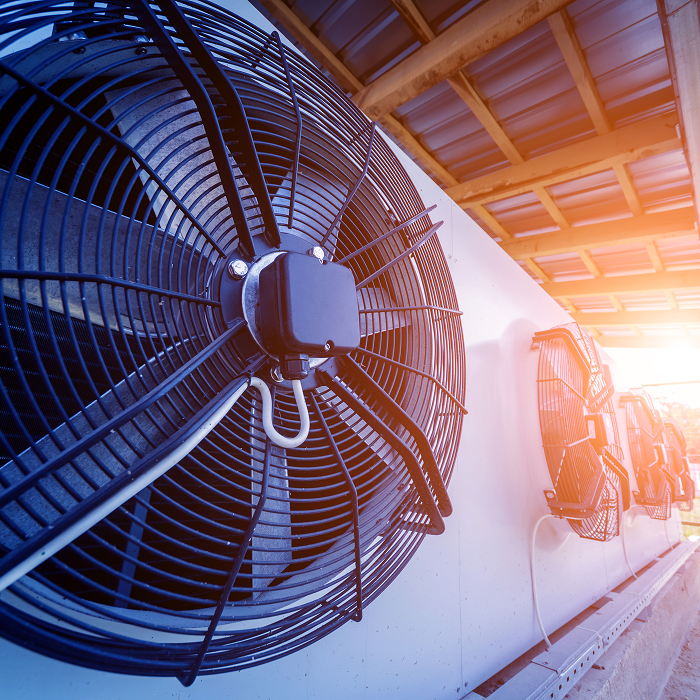
Begin with a thorough inspection and maintenance of the farm’s ventilation and cooling systems. Ensure that all fans, vents, air inlets, evaporators and mister are working efficiently and are free from obstructions. Cleaning fan blades and replacing any faulty motors can improve air circulation significantly and testing these systems before the peak heat can ensure they are ready to function at full capacity when required.
2. Water system management
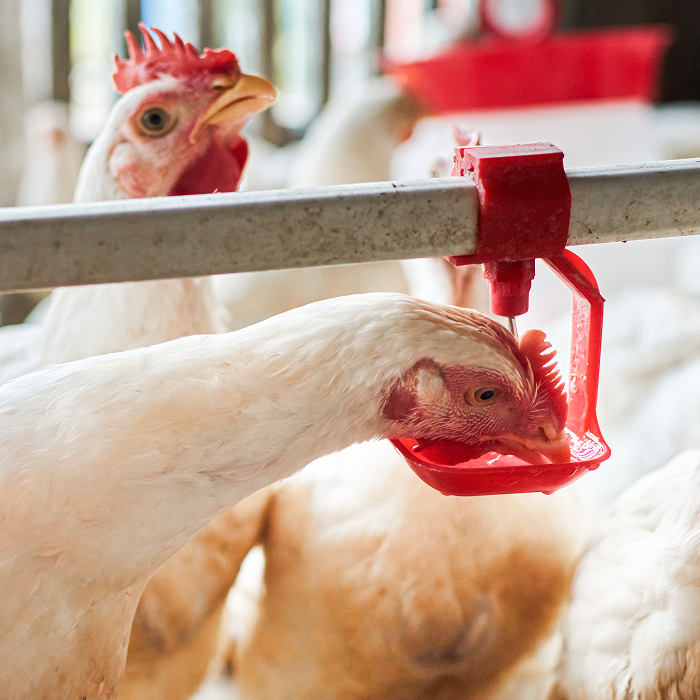
Confirm that all animals have easy access to clean, fresh water. Inspect water lines, troughs, and dispenser for leaks and blockage. In some cases, incorporating water cooling systems that can lower the temperature of the drinking water may be beneficial, as cool water plays a crucial role in helping animals to regulate their body temperature.
3. Nutrition and feeding strategy
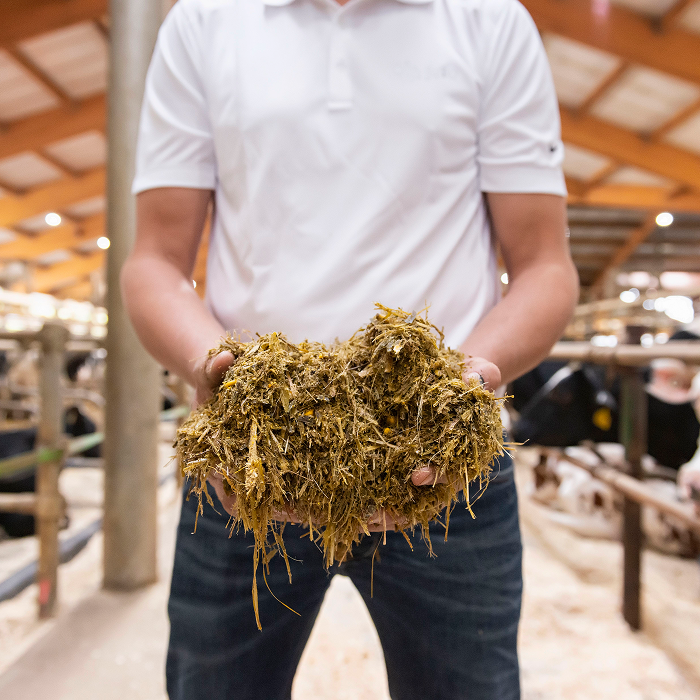
Adjust feeding times by providing feed during cooler times of the day, such as early morning or late evening, to reduce the metabolic heat produced by digestion during the hottest hours. Also, consult a nutritionist to adjust the diets of livestock during summer months, possibly incorporating additives in the feed or in the water to mitigate the effects of heat stress.
4. Building and shelter maintenance
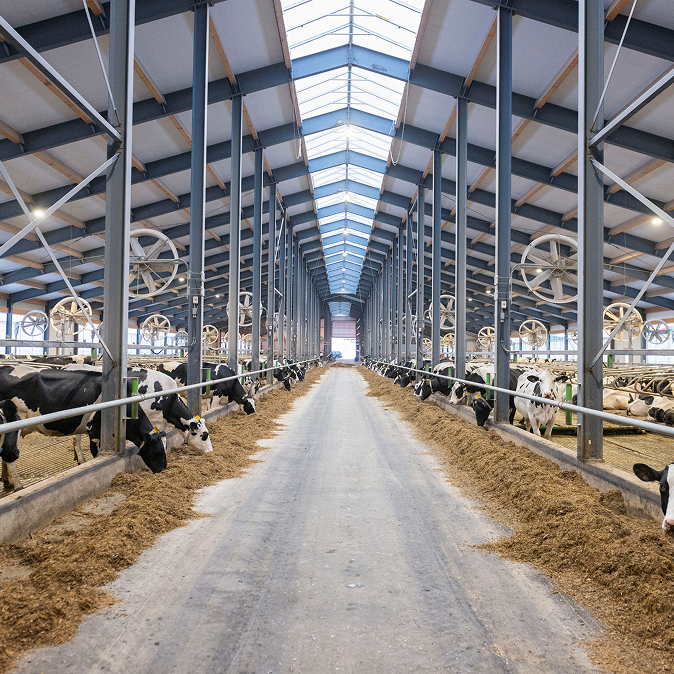
Check and improve the insulation of animal housing to reduce heat absorption. Applying reflective paint or materials to roofs can deflect sunlight and help keep interiors cool.
5. Emergency plans
Implement a plan for monitoring animals for signs of heat stress, including increased respiration rate, lethargy, or reduced feed intake. Emergency measures may include temporary relocation of animals to cooler areas, the use of emergency cooling equipment, increased water supply, or the adoption of liquid nutrition solutions. In that case, make sure you have the necessary liquid supplements in stock before heat waves.
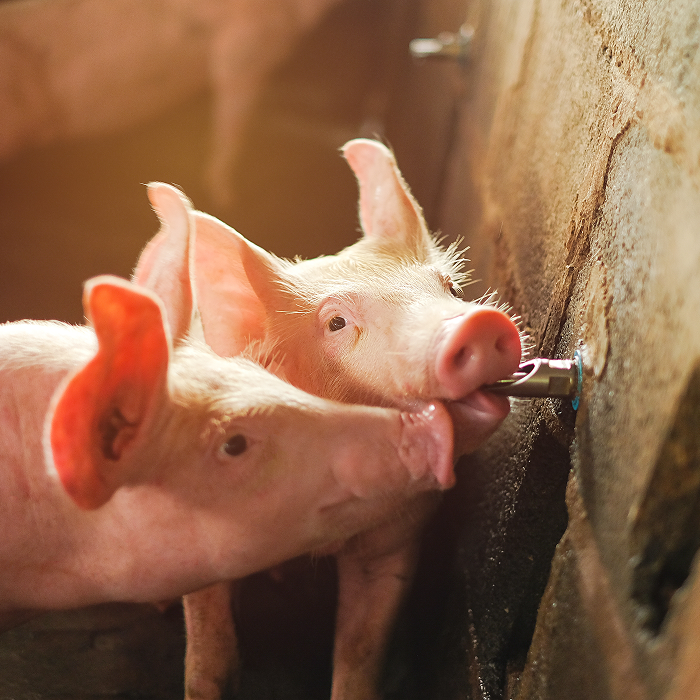
By taking theses proactive maintenance actions, farmers cans significantly reduce the risk of heat stress affecting their livestock during summer months. Not only does this protect the animal’s health and well-being, but also safeguard the farm’s productivity and economic viability. Being one step ahead from heat ensures that both livestock and farmers can have a more comfortable, stress-free summer.
Suggested Video:
Our products
See all-
Bestseller
Bovinat MATRIX RECI™
Supplement of protected vitamins to increase average daily gain, reduce losses associated with stress, and improve the health status of young cattle and small cattle, the condition of growing calves, lambs and kids during stressful periods. For animal nutrition -
Bestseller
Dairynat MATRIX TRANSITION™
Supplement of protected vitamins and choline for transition dairy cows to improve health and reproduction and increase feed intake and milk performance. -
PT 125™
Fermentation product supplement for poultry, swine and fish feeds -

METIOCOLINA™
Vitamin supplement for dairy cattle, sheep and goats -
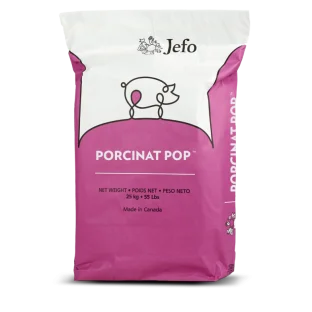
Porcinat POP
Mix of encapsulated B vitamins, yeasts wall and natural plant powders -
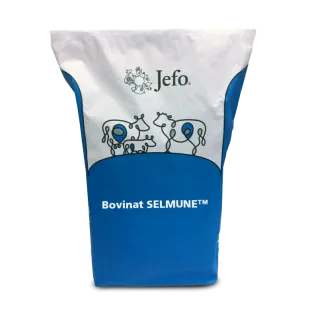
Bovinat SELMUNE™
Encapsulated Selenium Supplement for Cattle -
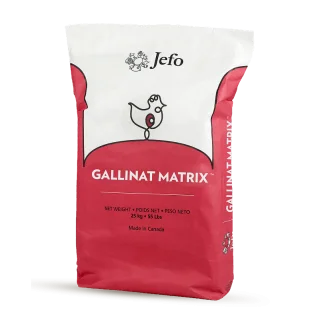
Gallinat MATRIX™
Feed additive to normalize the digestion processes, increase the safety and productivity of poultry.Animal feed product -
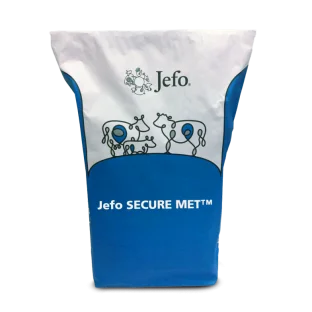
Jefo SECURE MET™
DL-Methionine rumen by-pass premix for ruminants -
JEFO SP
Mycotoxin binder in premix form -
Gallinat® GO™ NN.W2G0
Veterinary health product for chickens (starter)
Relevant resources
See all-
- News
RumiNation Podcast: New Season, New Conversations
Season 7 of RumiNation Podcast launches April 28 with expert conversations on dairy and beef cattle production. Listen on Apple Podcasts, Spotify, YouTube, and more. -
- Podcast
- Digestibility
- Milk
Exploring B Vitamin Supply in Dairy Cows
Research in B vitamins synthesis shows that dry matter intake is a key driver in the metabolic process of these vitamins. Listen to Vicki Brisson form Guelph University as she presents the topic of her study on B vitamins and how they affect milk production. -
- Article
- Management
- Stress
Dairy Cow Stress is Complicated
Learn how stress impacts livestock and explore strategies to manage it effectively with Jefo solutions, improving health, productivity, and welfare. -
- Article
- Management
- Stress
Cow Care is Our Self-Care
Healthy cows mean healthier farmers. Discover tips to reduce stress and improve cow well-being on your dairy farm. -
- Podcast
- Ingredient Stability
- Feed efficiency
- Digestibility
Importance of Vitamins Stability in Premixes and Minerals
Today’s episode deals with vitamins and minerals and their effect on cattle health with Dr. Jason Warner and Dr. Greg Eckerle. -
- Article
- Management
- Stress
- Performance
Beat the Heat: Enhance Swine Welfare and Boost Production this Summer
As temperatures rise, the health, productivity, and reproductive success of your pigs hang in the balance. When it comes to swine management, heat stress is a real threat even at temperatures as low as 23°C with over 75% humidity. Take proactive steps now to keep your pigs cool, healthy, and thriving. -
- Podcast
- Management
- Performance
Smart Systems Rethinking Lameness Management
Dr. Gerard Cramer explains why early lameness detection, strategic trimming, and stronger dairy teamwork are essential for healthier cows. -
- Podcast
- Sustainability
- Feed cost
Sustainable Aquaculture: Rethinking Animal Nutrition with Kurt Servin
In this episode of Livestock Community, aquaculture expert Kurt Servin explores the innovations reshaping aquaculture nutrition. From alternative protein sources to sustainable technologies, he offers insights on reducing reliance on fishmeal and improving performance. A must-listen for anyone interested in the future of aquaculture! -
- Article
- Pathogens
Breaking the Cycle: Reducing Salmonella Pressure Before Processing
Discover why Jefo Protected Organic Acids + Essential Oils is a practical option for managing Salmonella pressure in broiler production—and why it matters! -
- News
Québec soutient la croissance de Jefo : un projet majeur pour l'économie du Québec
Le gouvernement du Québec annonce son appui à l’entreprise familiale Jefo, spécialisée dans la nutrition animale depuis 1982, afin de soutenir l’expansion de ses activités à Saint-Hyacinthe.