- Article
- Dairy
- Feed efficiency
Maximizing Profitability in Tight Margin Conditions: The Role of Feed Efficiency and Cow Health
This article was originally published in the April issue of the CowManagement - UK magazine.
With a growing population, ruminant products (milk and meat) continue to account for 51% of the protein consumed by the world’s population. Improving feed efficiency (FE) is therefore becoming increasingly important to support both sustainable food production and farm profitability. In markets such as the United Kingdom, where dairy producers are facing rising production costs and tighter margins, strategies that improve both herd efficiency and health can help control production costs and protect farm profitability.
But what does FE mean?
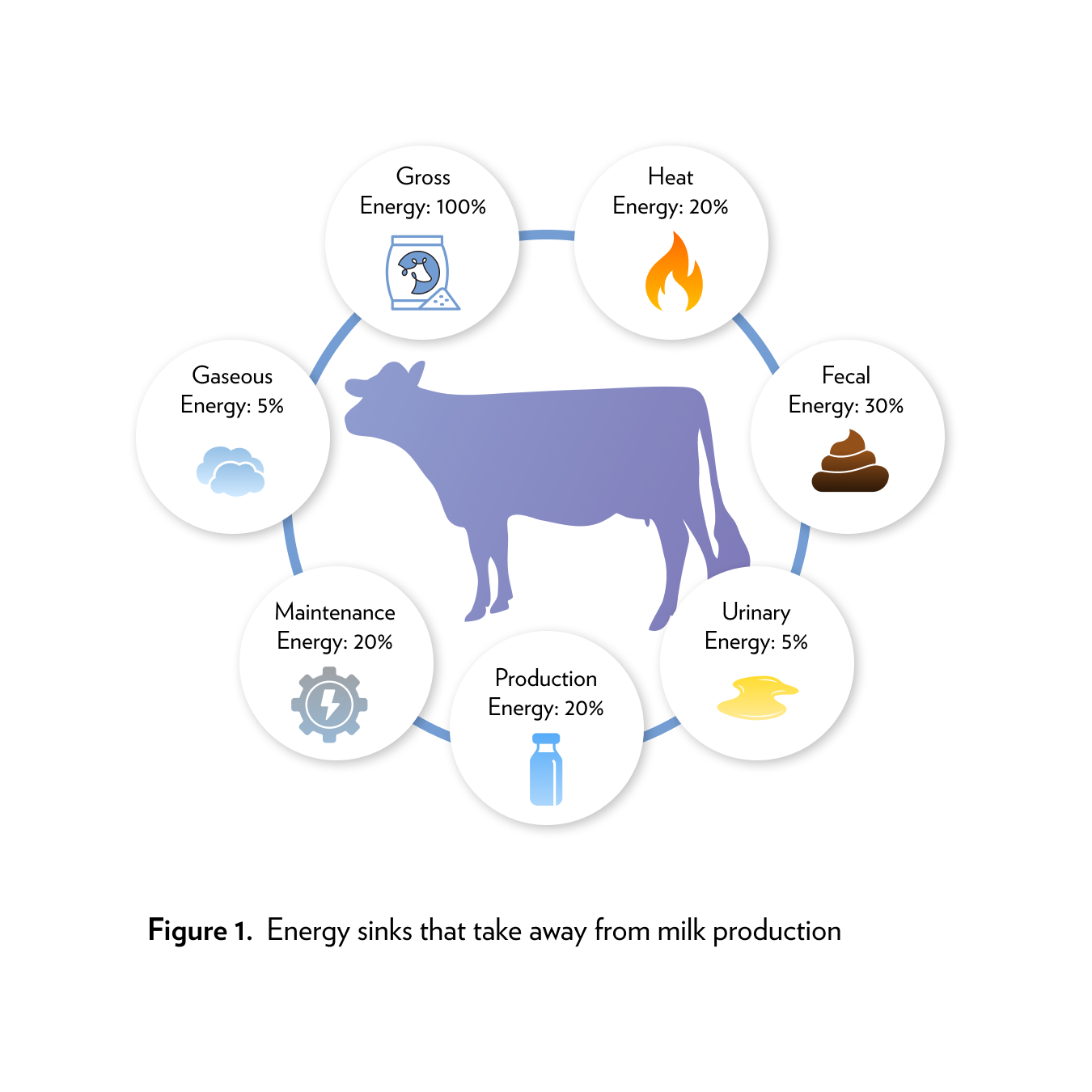
In this context, FE is the ability of a cow to produce more milk while eating the same amount of feed, or produce the same amount of milk while eating less, without losing body condition. From a producer’s perspective, improving the FE of a herd means enabling cows to convert feed into milk, which is a very energy-demanding process. If cows use valuable energy for non-productive functions such as heat production (Figure 1), this reduces the amount of energy available to be directed toward milk production.
Feed efficiency is very complex, but in recent years genomic selection has made it possible to identify more efficient cows in the dairy industry. Management and nutritional tools also support this shift toward efficiency, including:
- Diet formulation guidelines
- Feed laboratory analyses
- Technologies such as automated feeding systems
How Can Feed Efficiency Be Measured?
There are several ways to measure FE, although each method has limitations.
Methods based solely on feed conversion ratios can be misleading because they do not account for weight loss during early lactation. Cows may initially appear very efficient, but this often occurs at the expense of body fat mobilization, which can lead to disease and reproductive challenges.
Feed efficiency can also be evaluated from an economic perspective, which demonstrates that milk yield alone is not always sufficient to improve efficiency.
For these reasons, one novel trait commonly used to measure FE is Residual Feed Intake (RFI). This trait is biologically related to the efficiency of feed utilization, as it accounts for:
- The animal’s actual feed intake
- The expected feed requirements for maintenance and production.
If we can maximize how the cow utilizes energy, the cow becomes more feed efficient because more energy is directed toward milk production and less toward other energy sinks.
What Impacts Feed Efficiency?
Feed efficiency is influenced by numerous biological mechanisms, including:
- Stage of life: Cows have different nutrient requirements at different times, including lactation, dry-off, and close-up periods.
- Behaviour: Feeding behaviours can be affected by sensory, social, circadian, and habitual factors.
- Diet and digestibility: Feed processing, particle size, diet composition, and frequency of feed delivery all influence feed efficiency.
- Gastrointestinal microbiota: There is a symbiotic relationship between ruminal microbes and the cow, which plays a key role in nutrient utilization.
- Genetics: Selection for traits related to energy utilization, such as heat tolerance and smaller body size, can improve FE. Because many factors influence feed efficiency, there is a push for fast and practical improvements that producers can implement to positively impact herd and productivity.
Supporting Both Efficiency and Herd Health
Improving metabolic efficiency not only supports milk production but can also contribute to better overall cow health. For dairy farms, this can translate into fewer veterinary interventions, reduced treatment costs, and less labour required to manage sick animals.
Beyond these direct savings, improved metabolic efficiency help mitigate downstream economic losses associated with poor performance, reproductive inefficiency, or premature culling.
Nutrition: Part of the Solution
Given the complexity of FE, addressing it in a timely manner can be challenging. Adjusting herd nutrition is one of the approaches that can generate meaningful changes in a short time. These solutions are relatively easy to implement on dairy farms and can produce results that last into the future.
Ensuring a well-balanced ration is essential to maximize FE. Beyond macronutrients (protein, carbohydrates, and fat) supplied by the diet, an adequate intake of vitamins and minerals is necessary. Subclinical deficiencies can reduce metabolic efficiency, negatively affecting production and feed efficiency.
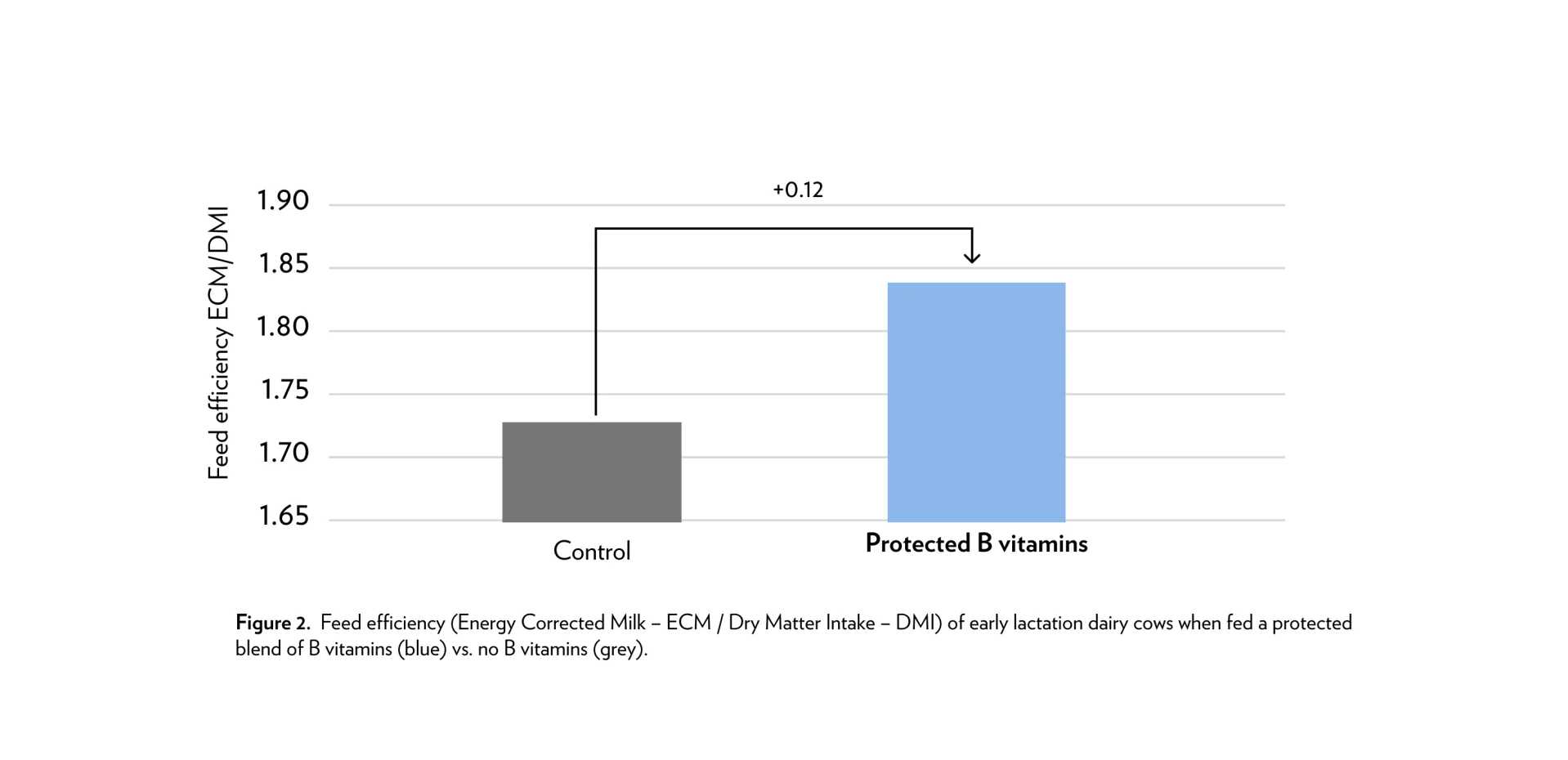
Protected B vitamins, which act as co-enzymes and support cows’ energy metabolism, are a nutritional supplement that has been shown to improve feed efficiency (ECM/DMI) in early lactation dairy cows (Figure 2).
Jefo: From Canada to the UK
Founded in 1982 by Jean Fontaine, who grew up on a dairy farm in Quebec, Canada, and still leads the company today, Jefo was built on a deep understanding of the realities of livestock farming. Proudly family-owned and now supported by its second generation, Jefo serves producers in over 65 countries.
As it expands its presence in the UK, Jefo brings decades of experience, scientific expertise, and practical solutions to help British dairy farms thrive in a changing world.
Contact Jefo UK
A well-known figure in the UK nutrition industry, Ian Leach, leads Jefo in the UK and Ireland.
Feel free to call him on 07517 857778 and discover practical ways Jefo can support your herd from calving to peak production.
Relevant resources
See all-
- Article
The Role of B Vitamins in Transition Cow Nutrition
In this interview with Dr. Lance Baumgard, explore the role of B vitamins in transition cow nutrition, including inflammation, metabolism, ketones, feed intake and stress management. -
- Podcast
- Immunity
- Performance
- Milk
- Stress
Practical Research for Better Dairy Performance
Our guests explain how three commercial dairy studies demonstrate how precision nutrition improves calf growth, transition success, milk production, and overall herd performance through targeted supplementation. -
- Podcast
- Management
- Feed efficiency
- Immunity
- Performance
- Milk
- Stress
Why Mitochondria Matter in the Modern Dairy Cow
How mitochondrial function shapes transition cow metabolism, nutrition, adaptation, and health while improving efficiency, resilience, and long-term dairy performance. -
- Article
- Stress
Expert Insights on Cow Stress | Podcast Playlist
Explore expert discussions on cow stress, including its impact on health, reproduction, gut health, and productivity. Watch RumiNation Podcast episodes with industry experts. -
- Podcast
- Management
- Performance
The Evolving Role of the Modern Dairy Nutrition Consultant
Discover how practical nutrition, trusted relationships, and data-driven decisions help dairy consultants improve herd performance, profitability, and long-term farm success. -
- Podcast
- Management
- Performance
Smart Systems Rethinking Lameness Management
Dr. Gerard Cramer explains why early lameness detection, strategic trimming, and stronger dairy teamwork are essential for healthier cows. -
- Podcast
- Management
- Immunity
- Performance
- Stress
Managing Calf Stress from Day One to Weaning
Dr. Gail Carpenter explains how early-life stress, nutrition, and management shape calf health, resilience, productivity, and profitability. -
- Podcast
- Management
- Stress
How Wildfire Smoke Impacts Calf Growth
In this episode, Dr. Juliana Ranches discusses how wildfire smoke impacts cattle health and performance, offering practical strategies producers can use today to protect herds and manage growing air quality challenges. -
- Article
- Stress
New Research Targeting Nutrients for Stress Mitigation
Modern dairy cows face an array of physiological and environmental stressors that can impair performance, health and longevity. From heat stress to the metabolic upheaval of the transition period, these challenges alter nutrient needs, compromise Immunity, and increase inflammation and oxidative stress. -
- Podcast
- Management
- Performance
- Milk
Turning Feed Analysis into Real Gains in Milk Production
In this first episode of season 7, Chris hosts Katie Raver. They talk about how feed analysis can improve milk production.








Our products
See all-
Bestseller
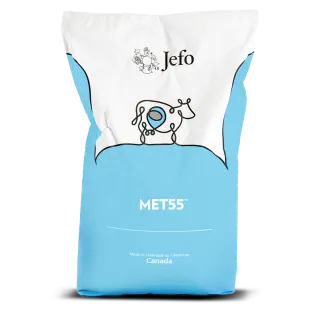
MET 55™
Rumen protected methionine for dairy cows -
Bestseller
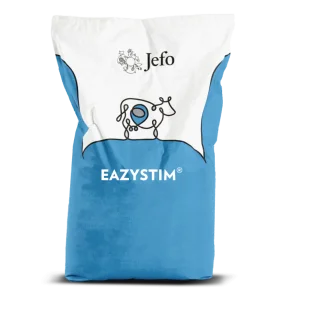
Eazystim
Fermentation by-products on carrier -
Bestseller

JEFO LYS 30™
Rumen protected lysine for dairy cows -
Bestseller
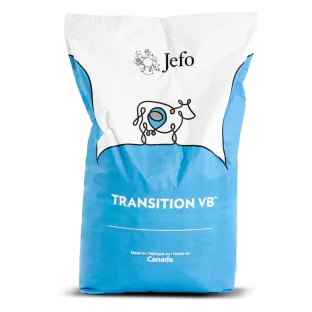
TRANSITION VB™
Vitamin Supplement for Dairy Cows -
Bestseller
Eazystim
Fermentation by-products on carrier -
Bestseller
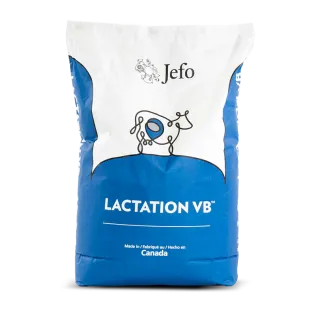
LACTATION VB™
Vitamin Supplement for Dairy Cows -
Bestseller

Jefo SECURE LYS™
Microencapsulated Lysine for animal nutrition -
Bestseller
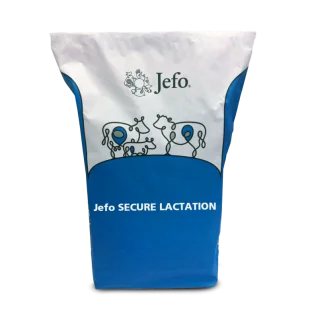
Jefo SECURE LACTATION™
Vitamin premix for dairy cows -
Bestseller

Jefo SECURE TRANSITION™
Vitamin mix for ruminants -
Bestseller
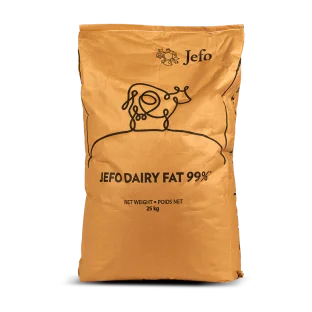
JEFO DAIRY FAT 99%™
Palm Palmitic Acid (C16:0)Energy Supplement for Dairy Cattle, Sheep and Goat